
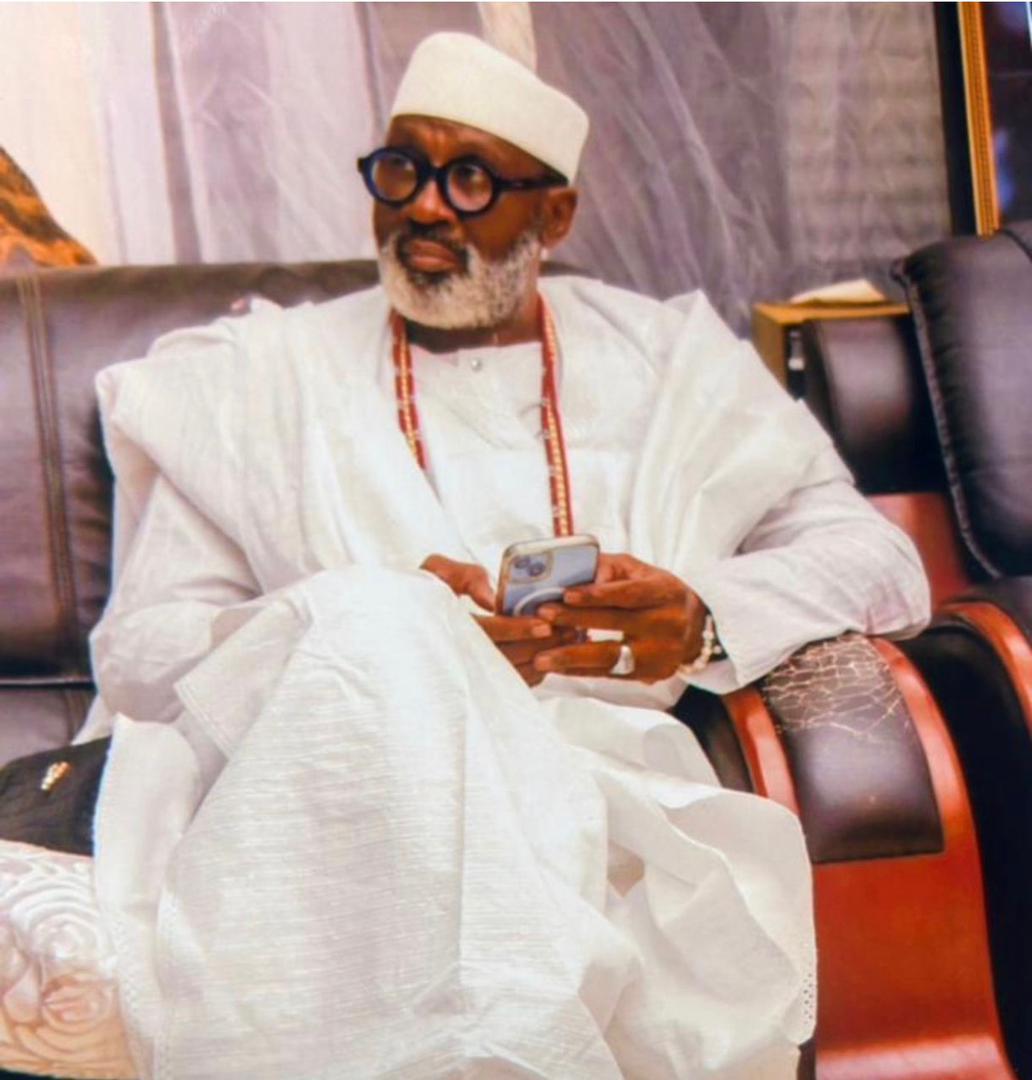

By Otunba (Dr) Abdulfalil Abayomi Odunowo
Nigeria is, once again, standing at a well-known junction, where the high-minded language of democracy crashes into the hard, cash-heavy realities of our politics.
The All Progressives Congress (APC) has reportedly pegged nomination and expression of interest form fees at ₦200 million for presidential aspirants, ₦150 million for governorship, ₦100 million for Senate, ₦70 million for House of Representatives, and ₦20 million for State Assembly. The public response was immediate: anger, yes, but also that tired sense of “here we go again.” Still, outrage by itself won’t settle anything. The real work is to examine this with history in view and the numbers on the table.
**The Economics of Power: A Rising Trend**
Nigerian politics has never been cheap. It’s a high-burn enterprise, soaked in costs: grassroots mobilization, media, logistics, and compliance. Parties often insist that form fees keep the machinery running and, in their words, separate the serious from the unserious.
But if we’re honest, the record shows a steady climb, especially within the APC:
• 2015: Presidential form ≈ ₦27.5 million; Governorship ≈ ₦5 million.
• 2019: Presidential rose to ₦45 million; Governorship to ₦22.5 million.
• 2023 (for 2023 elections): Presidential hit ₦100 million; Governorship ₦50 million; Senate ₦20 million; House of Reps ₦10 million; State Assembly ₦2 million.
Now, for 2027 preparations, reports point to even steeper hurdles, in some cases doubling or more, despite the party reportedly earning billions from 2022/2023 form sales (conservative estimates exceeded ₦30 billion across positions). The PDP has moved in the same direction, though usually below APC levels (for instance, ₦40 million presidential in 2023 against APC’s ₦100 million).
Inflation explains part of the story, but only part. Nigeria’s inflation rate climbed from roughly 9.6% in late 2015 to over 15% by early 2022, and it has risen much higher since. Even so, analysts repeatedly note that fee jumps have often outpaced inflation-adjusted expectations by wide margins (sometimes 50-150% above what inflation would suggest). Parties defend this as survival funding in a system without solid public financing, yet the question won’t go away: where, precisely, have those past billions gone, into durable party infrastructure, or into murky, untracked channels that don’t strengthen internal democracy at all?
**The Argument for “Seriousness” Tested by Data**
Supporters frame these high fees as a screening tool, a way to discourage “tourists” and keep primaries workable. On paper, it sounds logical: fewer aspirants, less chaos, cleaner contests.
The evidence, though, is mixed. In the 2023 APC presidential race, around 28 aspirants reportedly bought the ₦100 million form, with 25 submitting, fewer than in some previous cycles when barriers were lower. Similar patterns show up across some states. So yes, the filter does reduce the crowd, but it also narrows the pool of options. And critics have a point when they say the system doesn’t reliably weed out incompetence; it more often weeds out competence without cash, turning primaries into tests of financial stamina rather than ideas, track record, or genuine grassroots weight.
In a political culture where declarations can spiral into dozens (sometimes hundreds), some pruning may help. But as the price keeps climbing while the economy squeezes the middle class and those below, the “filter” starts looking less like management and more like exclusion.
**The Cost to Democratic Representation**
This is where the moral tension sharpens. If democracy is supposed to widen representation, then sky-high entry fees force an uncomfortable question: when the gate is priced for the wealthy, who exactly gets to speak for the people?
Civil society voices and political analysts have been consistent on the fallout:
• Strong but less affluent candidates, especially youth, women, and capable professionals from modest backgrounds, get edged out.
• The field tilts toward a moneyed class with access to private capital, godfathers, or prior accumulation (often questioned loudly in public discourse).
• The spirit of the Not Too Young to Run Act is diluted when economic barriers tower over age-related barriers.
This is why many observers call it “commercialization,” and some go further, describing a kind of “dollarization” of primaries, where money, not ideology, competence, or popularity, becomes the central currency. And when people sense candidates are produced by elite auctions rather than real competition, voter apathy isn’t far behind. Why invest hope in a process that feels bought before it begins?
Yes, elections require structure, strategy, and funding. That’s realism. But turning inequality into a fixed feature of access is another matter entirely. Past fee increases haven’t clearly produced more transparent or merit-based outcomes; instead, they sit alongside the same old complaints: monetized delegates, transactional endorsements, and post-primary bitterness that never really ends.
**A Call for Evidence-Based Balance**
The goal shouldn’t be to scrap fees outright. The smarter question is how to set them with restraint and responsibility, guided by what history already shows.
Political parties do need dependable funding to:
• Maintain structures
• Run credible processes
• Compete effectively
But they also have a duty to protect:
• Inclusiveness
• Merit, not mere monetary signaling
• Real pathways for capable Nigerians
Some practical options, including ideas already partly used (like APC’s 50% discounts for women, youth, and persons with disabilities in recent congress forms), could be pushed further:
• Broader, transparent concessions or waivers linked to verifiable grassroots validation (for example, ward-level endorsements).
• Clear accounting standards for form revenues, with public reports showing what goes to party development rather than opaque spending.
• Hybrid approaches: modest base fees plus performance-based elements (such as measurable grassroots mobilization metrics).
• Wider reforms, including stronger INEC oversight of party finances and the enforcement of campaign spending limits already contained in the Electoral Act.
Courts have, in recent rulings, treated fee-setting largely as an internal party issue. Even so, public pressure and legislative review can still push parties toward moderation, because in a democracy, “internal affairs” don’t exist in a vacuum.
**The Enduring Question**
This isn’t just about one party or one election cycle. Since 2015, major parties in Nigeria have normalized a sharp upward curve in nomination costs. If this keeps going, the country risks hardening into a plutocratic pattern, where leadership is chosen more by wallet capacity than by quality of ideas or commitment to service.
So what do we want Nigerian democracy to become: a system that keeps widening opportunity and rewarding merit, or one that keeps narrowing until only those who can pay the escalating toll can compete?
The answer, whether through party self-restraint, civic insistence, or legislative reform, will shape not only the 2027 contests, but the texture of governance for a generation.
Final Thought
Democracy must not rot into an auction where the highest bidder treats leadership as a purchased entitlement. It was meant to be a framework where the best among us, the most capable, visionary, and accountable, can rise to serve, regardless of inherited or accumulated wealth.
The trendlines are clear, and they demand honesty. Nigeria can’t afford politics as a rich man’s sport. Restoring balance between financial reality and democratic promise isn’t optional; it’s essential to the soul of the nation.
Signed
Otunba (Dr) Abdulfalil Abayomi Odunowo
National Chairman AATSG
ASIWAJU AHMED TINUBU SUPPORT GROUP
